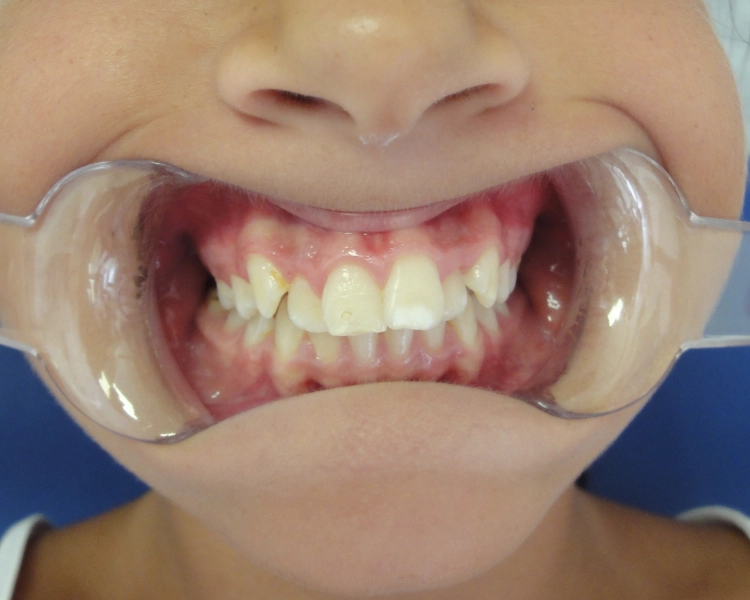
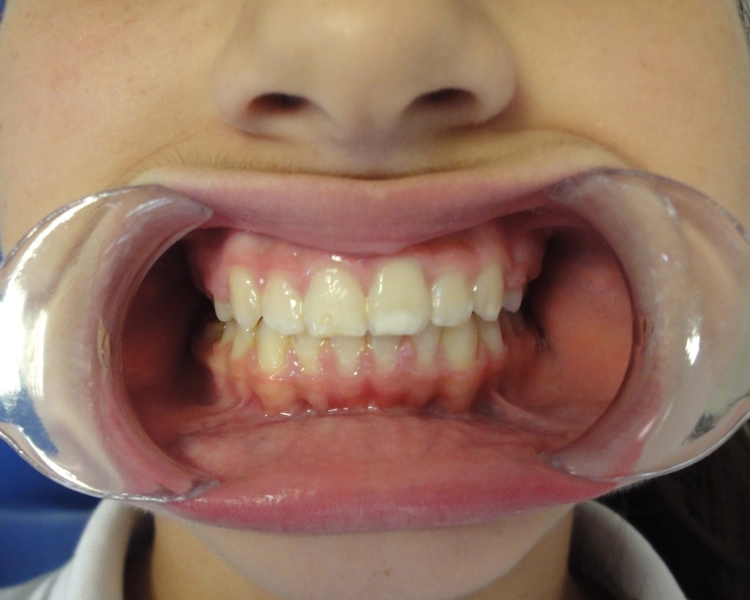
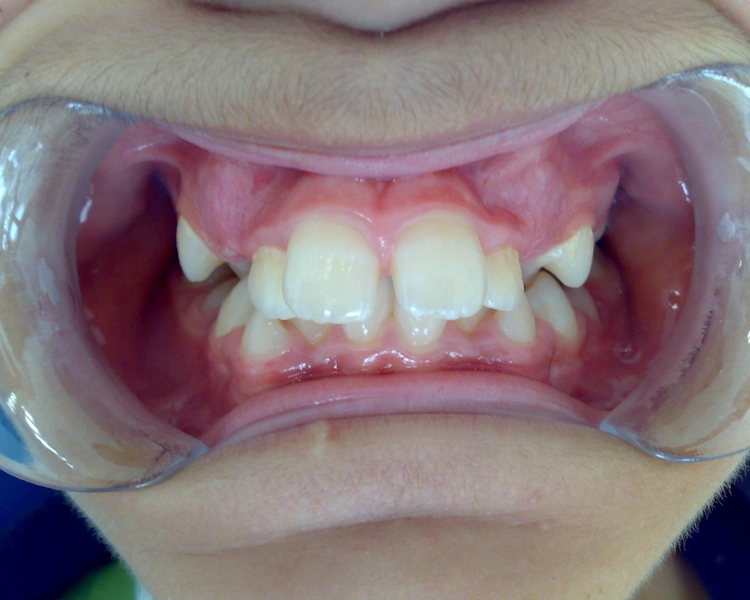
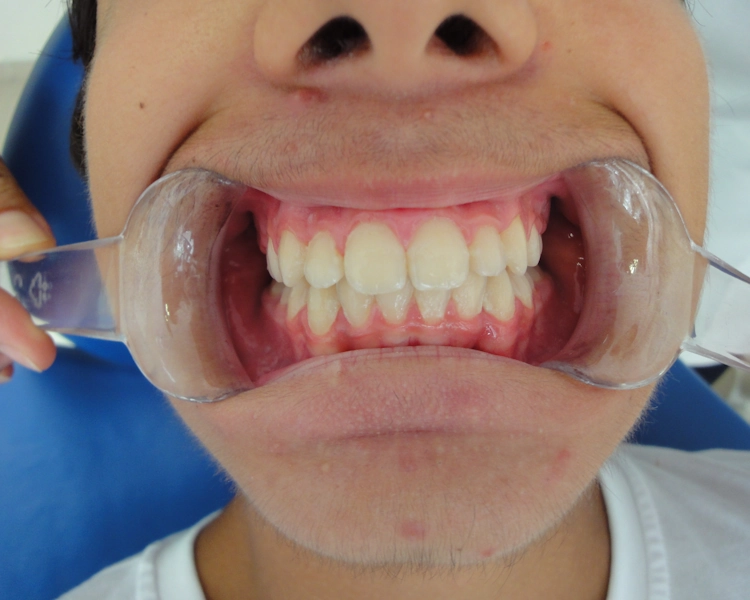
What are Functional Orthodontic Treatments?
Functional orthodontic treatments are one of the most critical early intervention approaches in orthodontics, addressing the position of the jaw bones, muscle balance, and oral functions together in children during their growth and development period. The goal of these treatments is not only to straighten the teeth but also to guide jaw development in the correct direction.
While classic orthodontic treatments mostly focus on aligning teeth, functional treatments address the root of the problem. This is because many orthodontic disorders stem from jaw relationships. Therefore, early and proper guidance can reduce the need for more complex treatments later on.
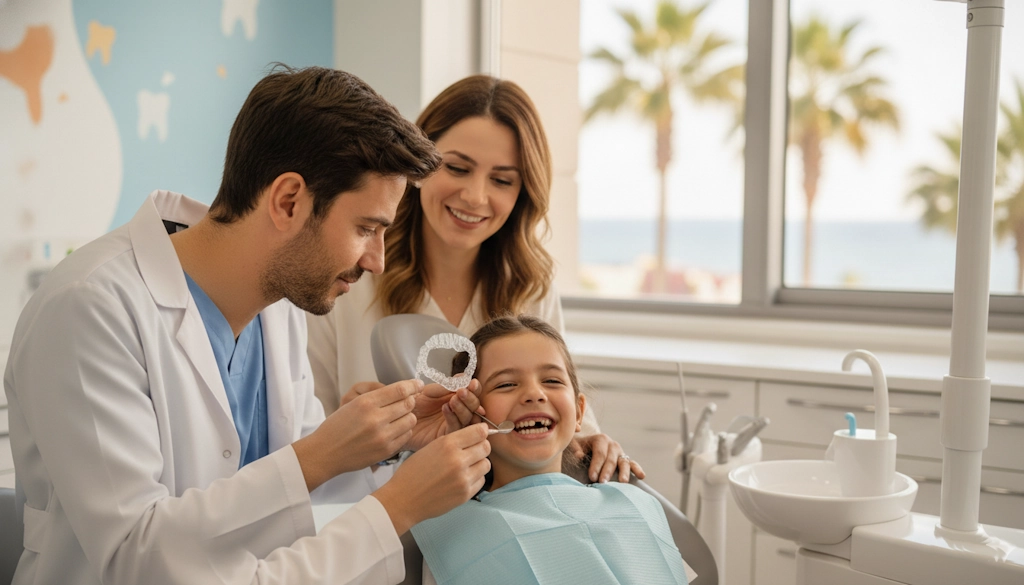
Functional Orthodontics: Why Early Diagnosis is Vital?
Timing is the most critical factor in functional orthodontic treatments. Interventions performed while the jaw bones still have growth potential can yield much more effective results.
Advantages of early diagnosis:
- Jaw development can be guided.
- The facial profile can be balanced.
- The need for surgery can be reduced in older age.
- Sufficient space can be created for the teeth.
Therefore, an orthodontic examination is recommended around the age of 6-7.
In which problems is functional orthodontic treatment applied?
Functional treatments are preferred, especially for orthodontic problems originating from the jaw. The most common situations are:
Mandibular retrusion (Retrognathia)
When the lower jaw is positioned backward, it can affect the facial profile. Functional appliances aim to direct the lower jaw forward.
Mandibular Protrusion (Prognathia)
In cases where the lower jaw is positioned too far forward, efforts are made to control growth.
Maxillary Stenosis
A narrow upper jaw can cause crossbites. This can be managed early with jaw expansion appliances.
Open Closing Problems
This is a condition where the upper and lower teeth do not make contact. It is usually related to habits.
Deep Bite Problems
This is a condition where the lower teeth overlap excessively with the upper teeth.
Mouth Breathing and Habits
Habits like thumb sucking and tongue thrusting can directly affect jaw development.
How is functional orthodontic treatment planned?
Functional treatments are entirely tailored to the individual. The process includes the following steps:
- Detailed clinical examination
- Analysis of jaw relationships
- Necessary imaging methods
- Assessment of growth potential
- Personalized appliance selection
This planning directly affects the success of the treatment.
Types of Functional Appliances and Their Purposes
Functional orthodontics uses different types of appliances. Each targets a different problem.
Twin Block Appliance (Treatment for Jaw Retrusion)
It is one of the most commonly used functional appliances. It supports the forward positioning of the lower jaw.
Activator Device (Muscle and Jaw Functions)
It helps regulate muscle balance. It aims to reshape jaw relationships.
Frankel Appliance (Soft Tissue Effect Reduction)
It reduces pressure on the jaw muscles, promoting natural growth.
Headgear (Upper Jaw Control)
It is used to guide the growth of the upper jaw.
Rapid Upper Jaw Expansion (RPE)
These are fixed systems used to widen a narrow upper jaw.
Functional Orthodontic Treatment Process
Functional treatment typically progresses in two stages:
Stage 1: Guiding Jaw Development
At this stage, the aim is to correct jaw relationships using appliances.
Stage 2: Tooth Alignment
If necessary, detailed correction is performed with fixed orthodontic treatment (braces).
Treatment duration typically ranges from 9 to 18 months, but this varies depending on individual factors.
Patient Adherence in Functional Therapies (A Key Factor in Success)
Patient compliance is the most important factor in functional therapies. This is because most appliances are mobile and must be used regularly.
To succeed:
- Daily usage limits must be observed.
- Checks should not be neglected.
- Family support should be provided.
Insufficient use may prolong the treatment period.
Advantages of Functional Orthodontic Treatments
- It guides jaw development through the natural process.
- It can positively affect facial aesthetics.
- It can reduce the need for surgery.
- It facilitates orthodontic treatment.
- It can increase long-term stability.
Functional Therapy Post-Treatment Process (Reinforcement and Follow-up)
The process doesn’t end when functional therapy is completed. To maintain the gains achieved:
- Regular checks are carried out.
- Fixed orthodontic treatment is applied if necessary.
- Reinforcement devices can be used.
This stage is critical for ensuring the lasting success of the treatment.
How does the functional orthodontic treatment process progress?
Functional orthodontic treatments are carried out with early diagnosis and individual planning. Jaw development is monitored through regular follow-ups throughout the process, and the treatment plan is updated as necessary.
Frequently Asked Questions (Functional Orthodontic Treatments)
1. At what age is functional orthodontic treatment started?
Generally, the ideal age range is 7–14 years old because growth is still ongoing.
2. How many hours a day should the devices be used?
It is generally recommended to wait between 14–18 hours, but this time may vary from person to person.
3. Is functional therapy painful?
There may be a slight feeling of pressure initially, but it is usually tolerable.
4. Will the condition deteriorate again after treatment?
With the right reinforcement process, results can be maintained.
5. Is every child suitable for functional therapy?
No. These treatments are applied to individuals with specific jaw problems.