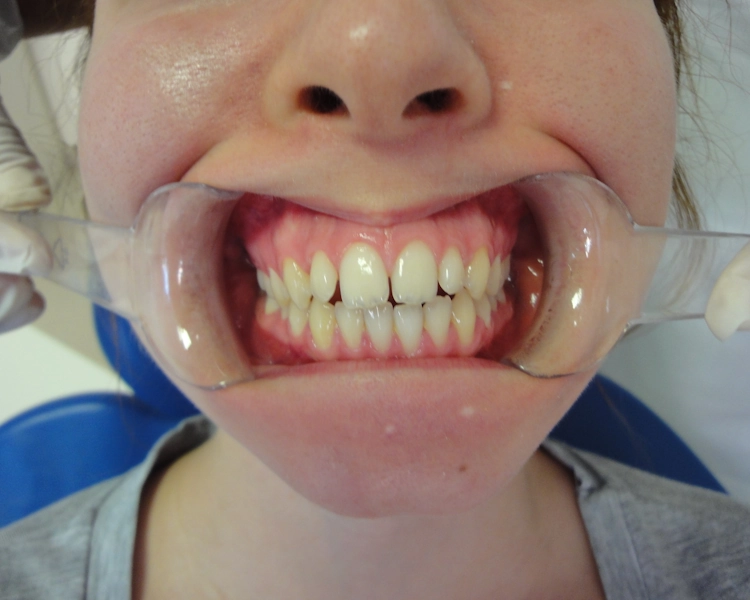
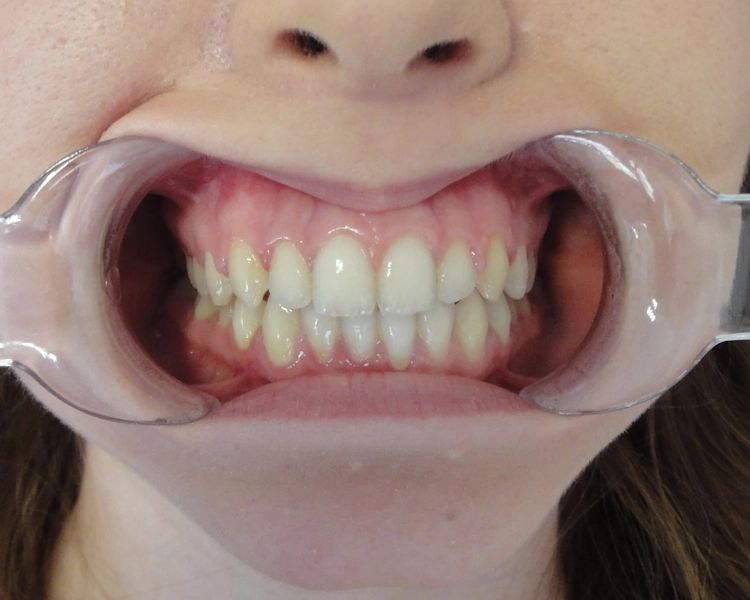
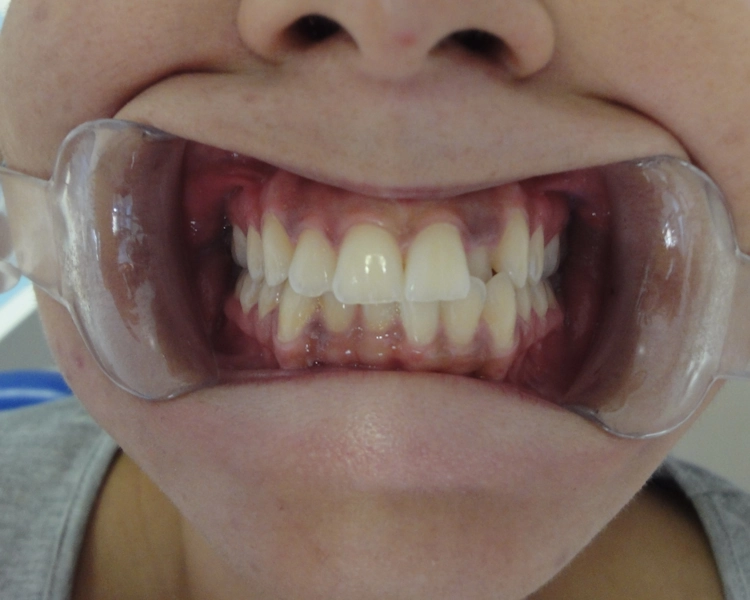
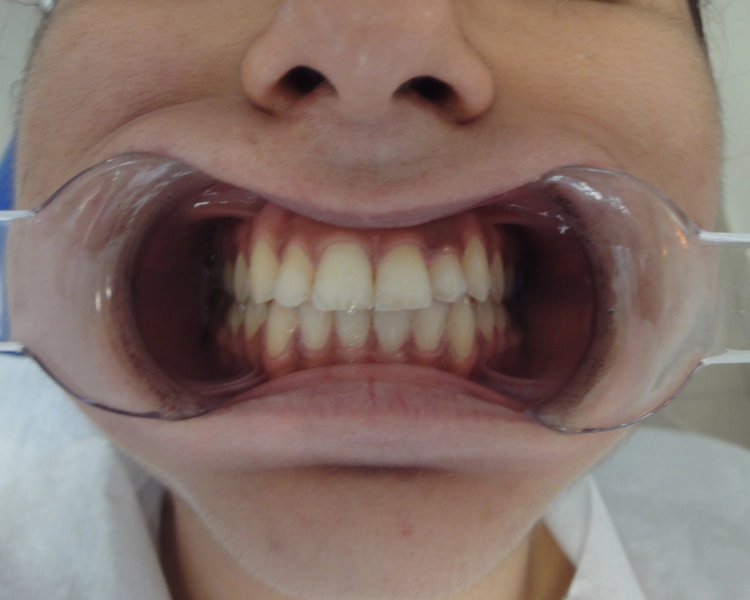
What is Invisalign? (Clear Aligner Orthodontic System)
Invisalign is a modern orthodontic treatment method consisting of custom-made, clear aligners used to correct misaligned teeth and bite problems. Unlike traditional brackets and wires, this system uses aligners that are almost invisible.
Each set of aligners is designed to gradually move the teeth into their planned position. Throughout the treatment process, the aligners are changed at specific intervals, and the teeth progress step by step towards their ideal position.
Why is Invisalign treatment preferred?
Invisalign treatment is frequently preferred by adults and teenagers, especially those with aesthetic concerns. The main reasons for this are as follows:
- Almost invisible
- Minimally affecting daily life.
- It is detachable.
- Digital planning allows the process to be foreseen in advance.
These features make Invisalign a strong alternative to classic orthodontic methods.
What problems is Invisalign suitable for?
The Invisalign system can be considered for many orthodontic problems:
Dental Malocclusions
It is an effective option for correcting mild to moderate malocclusion.
Spaces Between Teeth
It can be used to close the gaps between teeth.
Closing Problems
- Open closing
- Deep closing
- Cross closing
Relapse (Recurrent Deterioration)
It can be preferred for individuals who have previously undergone orthodontic treatment but have experienced deterioration over time.
However, it may not be suitable for every case. Therefore, a detailed examination is necessary.
How does the Invisalign treatment process progress?
Invisalign treatment proceeds entirely with digital planning and consists of the following steps:
1. Inspection and Digital Scanning
Intraoral measurements are taken using digital scanners instead of traditional methods.
2. 3D Treatment Planning (ClinCheck)
The movement of the teeth throughout the treatment is simulated digitally.
3. Record Production
Custom-made transparent aligners are produced.
4. Active Treatment Process
The trays are usually changed every 1-2 weeks.
5. Reinforcement (Retainer)
Retention plates are used to maintain the new position of the teeth after treatment.
How to use Invisalign aligners?
Successful Invisalign treatment requires regular use of the aligners.
- It should be worn for 20-22 hours a day.
- It should be removed while eating.
- It should be cleaned regularly.
Irregular use may prolong the treatment duration.
Advantages of Invisalign Treatment
Aesthetic Appearance
Its transparent structure makes it very difficult to notice from the outside.
Comfort
Because there are no metal wires, the risk of irritation inside the mouth is lower.
Hygiene
Because it is removable, teeth cleaning is easier.
Digital Planning
Results can be seen approximately before the treatment process begins.
Invisalign or Brackets?
Invisalign and classic orthodontic treatments (metal/ceramic brackets) offer advantages depending on different patient needs. The right choice should be determined by both aesthetic expectations and the nature of the orthodontic problem.
Aesthetic Comparison
- Invisalign: It’s virtually invisible. It has a minimal impact on social and professional life.
- Brackets: Metal brackets are particularly noticeable. While ceramic brackets are more aesthetically pleasing, they are not completely invisible.
Invisalign is a preferred choice for patients who place a high priority on aesthetics.
Treatment Efficacy and Case Relevance
- Invisalign: Highly successful in mild to moderate cases.
- Braces: Offer more controlled results in cases of advanced crowding, severe jaw problems, and complex conditions.
In difficult cases, braces can still be the “gold standard”.
Comfort and Daily Life
- Invisalign: Less oral irritation because there are no wires or brackets.
- Braces: Stinging and tenderness may be experienced in the initial period.
In terms of comfort, Invisalign is generally more advantageous.
Usage Discipline (The Most Critical Difference)
- Invisalign: Must be worn for 20–22 hours a day. Patient compliance is critical.
- Brackets: They are fixed and less susceptible to user error.
In patients who are not disciplined, the success rate of Invisalign treatment may decrease.
Hygiene and Cleanliness
- Invisalign: Because it is removable, brushing and flossing are easier.
- Brackets: Cleaning them is more difficult; special brushes may be required.
Invisalign is advantageous for patients who prioritize oral hygiene.
Frequency of Follow-up and Clinical Visits
- Invisalign: Requires less urgent check-ups, and the process is predictable thanks to digital planning.
- Braces: More frequent adjustment appointments may be required.
Treatment Duration
- Invisalign: 6–18 months
- Braces: 12–24 months (varies depending on the case)
The time frame depends on individual factors; a clear comparison is not always possible.
Who is Invisalign most suitable for?
- Adults with high aesthetic concerns
- Socially active individuals
- Those experiencing mild/moderate crowding
- Patients who can provide disciplined use of retainers
Who is a better candidate for brace treatment?
- Those with advanced orthodontic problems
- Cases with jaw disproportion
- Individuals who cannot adapt to using a reclining plate
The 3 Most Important Factors When Making a Decision
- Severity of the problem (clinical relevance)
- Aesthetic expectations
- Patient compliance
The most appropriate treatment choice should be determined after an individual orthodontic evaluation.
How long does Invisalign treatment last?
Treatment duration can vary between 6 and 18 months on average. This period;
- The severity of the problem
- Patient compliance
- Planned amount of movement
It varies depending on the situation.
Is Invisalign suitable for everyone?
While Invisalign is a suitable option for many patients, some advanced orthodontic cases may require different treatment methods. Therefore, individual assessment is important.
Invisalign Treatment Aftermath (Reinforcement Process)
After the treatment is completed, a retention period is applied to prevent the teeth from returning to their original position.
During this process:
- Night guards can be used.
- Inspections continue.
This stage is as important as the treatment itself.
Invisalign Treatment Process
Invisalign treatment is carried out using digital technologies and personalized planning. Progress is monitored with regular check-ups throughout the process, and the plan is updated as necessary.
Frequently Asked Questions (Invisalign)
1. Is Invisalign painful?
You may feel a slight pressure sensation during the first few plate changes, but this usually subsides quickly.
2. Do plaques affect speech?
There may be a slight adjustment period in the first few days, but it will quickly return to normal.
3. Can I eat with Invisalign on?
Plates should be removed during meals.
4. Are the records noticeable?
Because they are transparent, they are very difficult to spot from the outside.
5. Will the teeth become misaligned again after treatment?
If the reinforcement process is applied correctly, the results can be maintained.