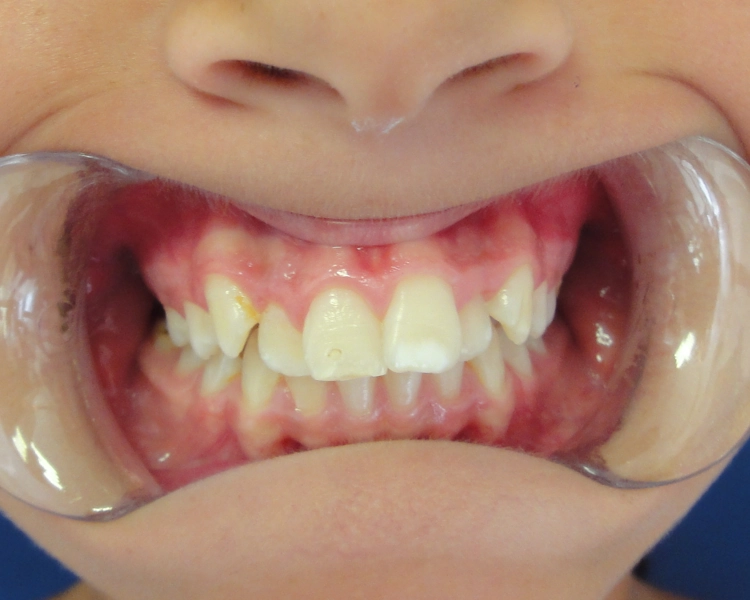
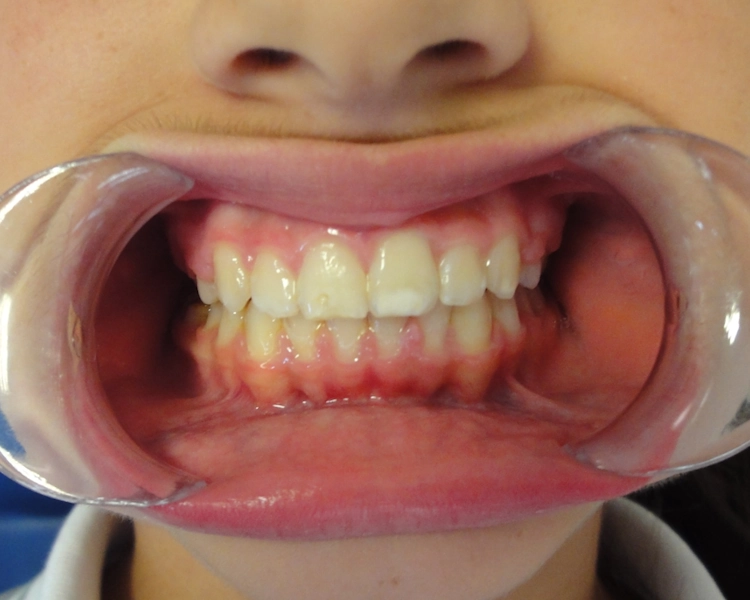
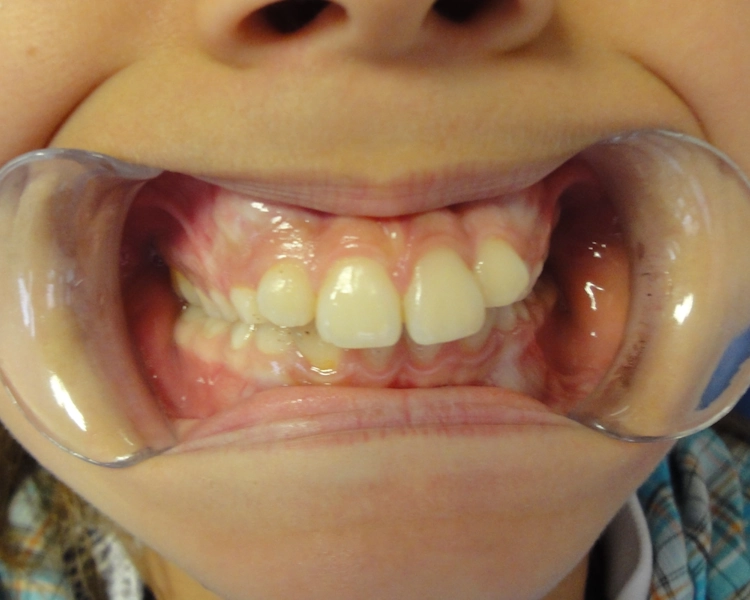
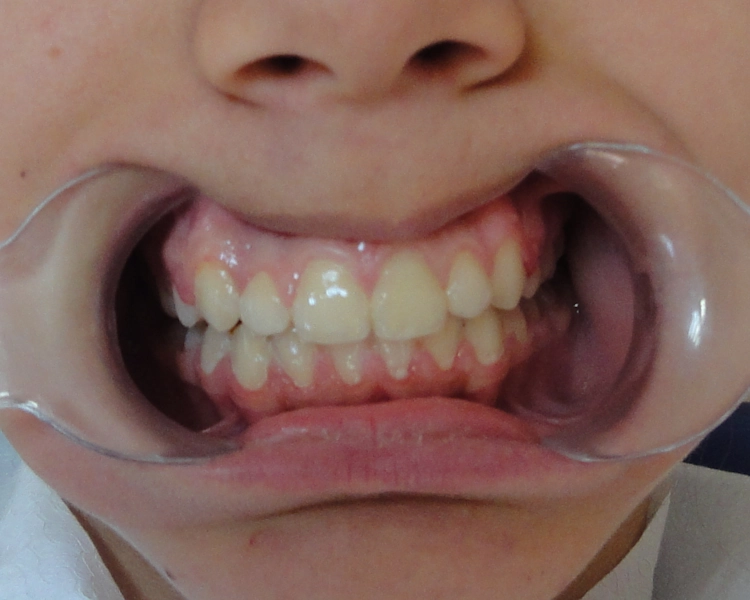
What are Orthopedic Orthodontic Treatments?
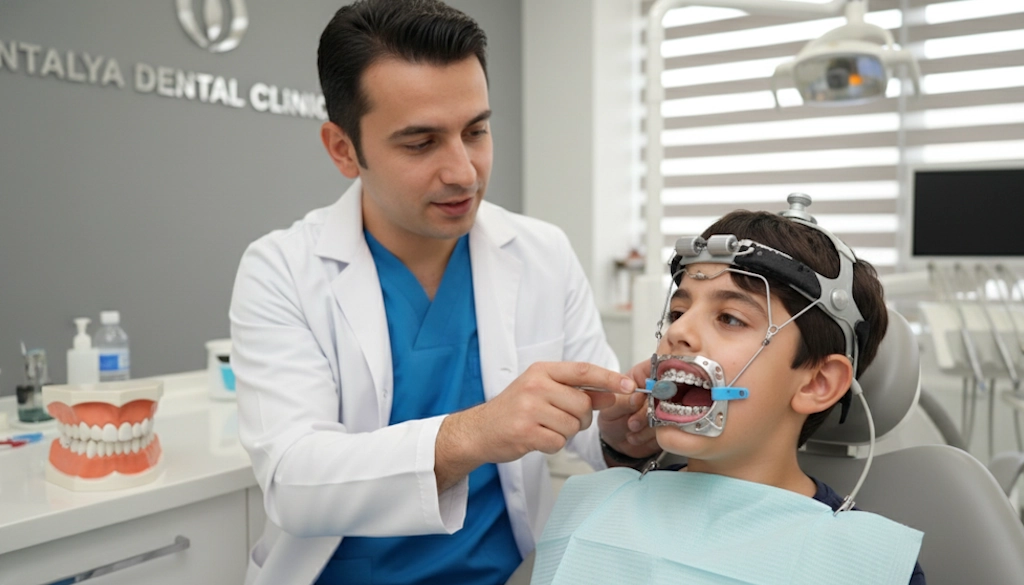
Orthopedic orthodontic treatments are treatment approaches that aim to guide the jaw bones in children during their growth and development period. The goal of these treatments is not only to straighten the teeth but also to ensure the balanced development of the jaw structure.
This is where the fundamental difference between orthodontics and orthopedics becomes apparent:
- Orthodontics → straightens teeth
- Orthopedic treatments → guide the jaw bones.
Therefore, orthopedic treatments can yield much more effective results, especially when applied at an early age.
Why is Orthopedic Orthodontics Important?
Orthopedic orthodontic treatments, when considered together with early diagnosis, contribute to the creation of a healthier mouth and jaw structure in the long term.
Orthopedic interventions performed in the early stages:
- It can guide jaw development in the right direction.
- It can balance the facial profile.
- It can reduce the need for surgery in old age.
- It can shorten the orthodontic treatment time.
In what situations are orthopedic treatments applied?
Maxillary Stenosis
If the upper jaw is too narrow, there isn’t enough space for the teeth. In this case, jaw expansion treatments can be applied.
Mandibular Retrusion
In cases where the lower jaw is set back, jaw development can be guided forward.
Mandibular Protrusion
In cases where the lower jaw is positioned too far forward, efforts are made to control growth.
Cross Closing
Early intervention is important in cases where the upper and lower teeth are not in proper contact.
Facial Asymmetry
Jaw dislocations can affect facial symmetry.
How are orthopedic orthodontic treatments planned?
The treatment plan is entirely individual and includes the following steps:
- Clinical examination
- Analysis of jaw relationships
- Required imaging
- Assessment of growth potential
Based on these analyses, the most suitable treatment method is determined.
Methods Used in Orthopedic Treatments
Rapid Upper Jaw Expansion (RPE)
It is a fixed appliance used to widen the upper jaw.
Functional Appliances
It is used to adjust the position of the lower jaw.
Headgear
It is preferred for controlling upper jaw growth.
Face Mask
It is used in situations where the upper jaw needs to be brought forward.
How does the orthopedic treatment process progress?
Orthopedic treatment generally consists of the following stages:
1. Early Intervention Period
The procedure is performed while jaw development is active.
2. Follow-up Process
Growth and development are monitored.
3. Orthodontic Completion
If necessary, the process is completed with fixed orthodontic treatment.
Patient Compliance in Orthopedic Treatments
Some devices can be inserted and removed by the patient. Therefore:
- Regular use
- Family support
- Ensuring that controls are not neglected.
It is critically important for success.
Advantages of Orthopedic Treatments
- It guides jaw development through the natural process.
- It supports facial aesthetics.
- It can reduce the need for surgery.
- Provides more stable orthodontic results.
The Most Suitable Age for Orthopedic Treatment
Generally, the ideal age range is between 7 and 12 years old. Growth potential is at its maximum during this period.
Post-Orthopedic Treatment Process
After treatment:
- Regular checks continue.
- Orthodontic treatment is applied if necessary.
- The results are protected.
Orthopedic Orthodontic Treatment Process
Orthodontic treatments are carried out with early diagnosis and personalized planning. The child’s development is regularly monitored, and the treatment process is guided accordingly.
Frequently Asked Questions (Orthopedic Orthodontic Treatments)
1. Is orthopedic treatment painful?
There may be a slight feeling of pressure at first, but it usually subsides quickly.
2. How long does the treatment last?
It usually ranges from 6 to 18 months.
3. Is it necessary for every child?
No, it is only applied to individuals with jaw development problems.
4. Will the condition deteriorate again after treatment?
Results can be maintained with regular follow-up.
5. Is the appliance difficult to use?
There may be an initial adjustment period, but children usually adapt quickly.