What is Pediatric Orthodontics?
Pediatric orthodontics refers to an orthodontic approach specific to the growth and development period, which considers the eruption process of teeth, jaw development, and oral habits together. Check-ups during this period cover not only crowding of teeth but also the relationship between the upper and lower jaws. The aim is to monitor the child’s current development, identify risky situations early, and provide appropriate guidance at the right time.
Orthodontic examinations at an early age contribute to managing potential problems in later years with simpler methods. These assessments don’t just mean starting treatment; they are often a process of regular follow-up and planning the correct timing.

When should children have an orthodontic examination?
Experts recommend that the first orthodontic evaluation should generally be done between the ages of 6 and 7. During this period, the mixed dentition phase occurs, where both primary and permanent teeth are present. This allows for:
- Jaw development can be observed.
- The risk of space shortage can be assessed.
- Effects related to habits can be detected early.
Early examination doesn’t mean active treatment for every child. However, it ensures timely intervention when necessary.
What problems are evaluated in pediatric orthodontics?
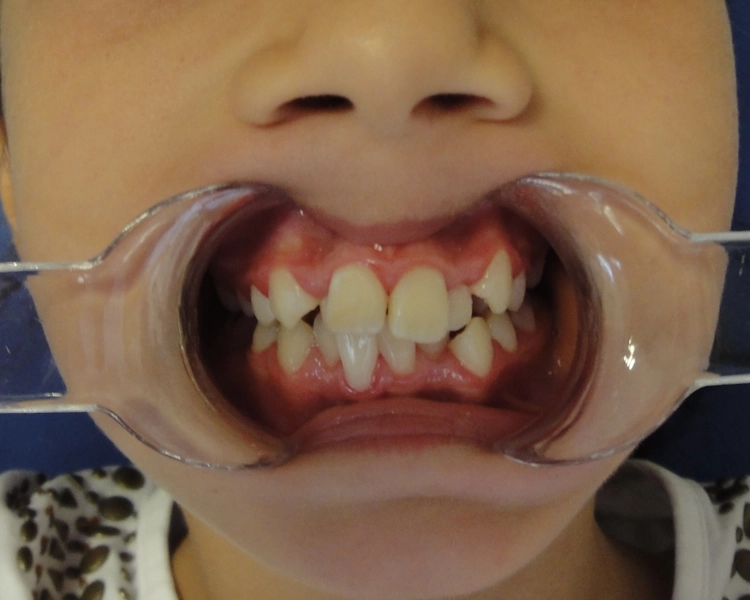
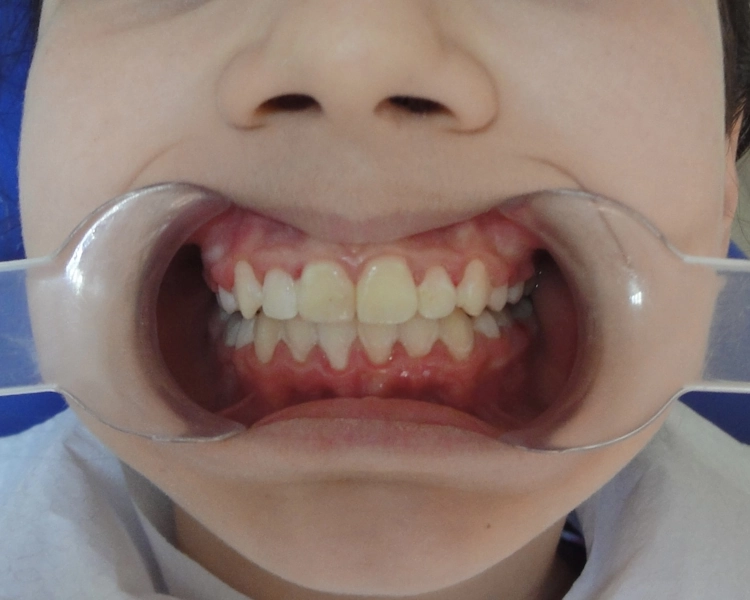
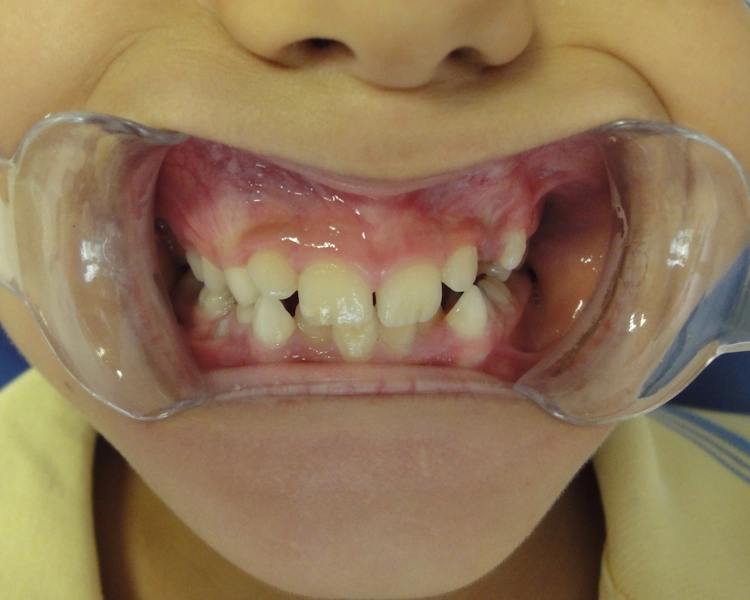
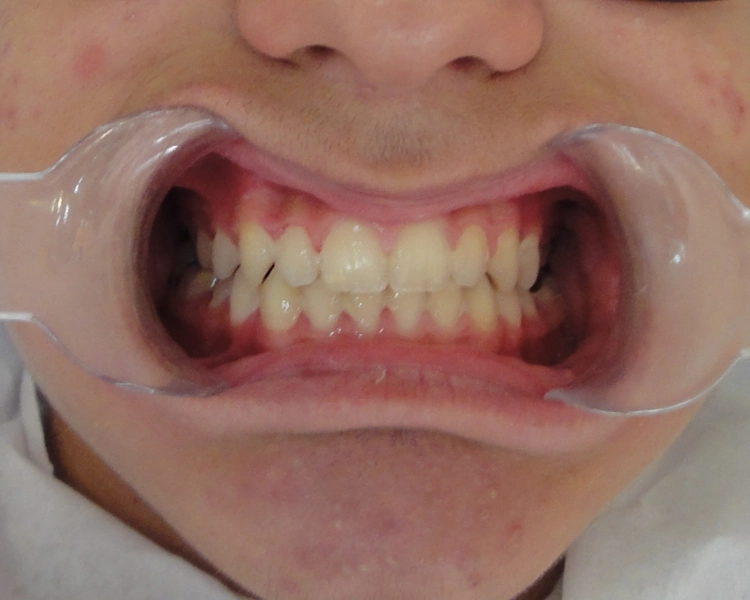
In pediatric orthodontics, not only the alignment of teeth but also the jaw structure and functional habits are examined. Commonly encountered situations include:
- Crowding and crowding of teeth
- Misalignment (forward/backward positioning) between the upper and lower jaws.
- Open close or deep close
- Habits such as thumb sucking and lip biting
- Breathing through the mouth
- Sounds affected during speech
Early detection of these findings helps in accurately tracking the direction of growth.
How is a pediatric orthodontic treatment planned?
The treatment plan is individualized based on the child’s age, developmental stage, and current findings. The same approach is not applied to every child. The following factors are considered during the planning process:
- Clinical examination findings
- Radiographic evaluation if deemed necessary.
- Jaw development direction
- Oral habits
While some cases may only require monitoring, in others guiding appliances or orthodontic devices may be recommended. The goal is to determine the right approach at the right time.
What methods are used in pediatric orthodontics?
The methods used in pediatric orthodontics aim to take advantage of growth potential. Commonly evaluated applications include:
Removable Appliances
These removable appliances, which can be put on and taken off by the child, can be used to guide jaw development and help create space for teeth.
Functional Approaches
Interventions aimed at regulating muscle and jaw function play a significant role, particularly in the assessment of jaw relationships.
Fixed Orthodontic Systems
Fixed brace systems can also be included in the planning if deemed necessary. However, this decision is determined according to the child’s developmental stage.
Advantages of Early Orthodontics
Orthodontic evaluation and referral when necessary, performed at an early age;
- It helps monitor jaw development.
- It can reduce the need for more extensive procedures in old age.
- It can limit the effects of oral habits.
- It can pave the way for a more balanced tooth alignment.
Regular check-up appointments are a crucial part of this process.
Treatment Process and Follow-up
In pediatric orthodontics, the process consists of regular follow-ups rather than a single treatment. During these check-ups:
- The tooth eruption sequence is followed.
- Jaw development is assessed.
- The plan will be updated if necessary.
In cases requiring treatment, the duration may vary depending on the type of problem and the child’s growth rate.
Suggestions for Families
Family support is crucial in the pediatric orthodontics process. Here are some points families can pay attention to:
- Don’t neglect your routine dental checkups.
- Observing oral habits
- Encouraging the child to use the appliance.
- Pay attention to oral hygiene.
This approach contributes to a healthier progression of the process.
Frequently Asked Questions (Pediatric Orthodontics)
1. Is pediatric orthodontics necessary for every child?
Not every child will require active treatment. However, an orthodontic examination at an early age is important for identifying potential risks.
2. Is treatment always started during the first examination?
No. The initial assessment is often for follow-up purposes. Planning will be done at an appropriate time if deemed necessary.
3. Is using a removable appliance difficult?
There may be an initial adjustment period. However, children usually adapt quickly.
4. Do orthodontic problems correct themselves?
Some minor irregularities may change with development. However, jaw relationships and significant crowding usually require monitoring.
5. How often are checks performed?
Follow-up intervals are determined according to the child’s condition. Generally, check-ups every 4-6 months are recommended.